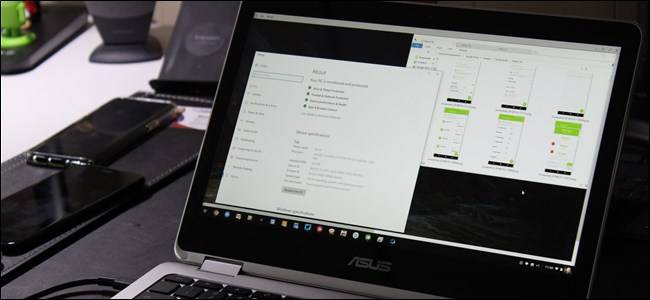
Virtual Machines: The Best Way to Get Windows on a Chromebook
Chromebooks have revolutionized personal computing with their lightweight design, impressive battery life, and security-first ChromeOS. Built for the modern web, they excel at browsing, cloud-based applications, and Android apps. However, despite their many advantages, a common question often arises for users accustomed to traditional operating systems:can you get Windows on a Chromebook?
The short answer is a resounding yes, and the most efficient and recommended method involves leveraging the power of virtual machines. This comprehensive guide will walk you through the process, allowing you to unlock a world of Windows-specific software directly on your Chromebook, without compromising its native ChromeOS functionality.Why Run Windows on a Chromebook? Unlocking New Possibilities
While ChromeOS is fantastic for many users, there are undeniable situations where the unique capabilities of Windows are indispensable. Perhaps you require a specific legacy application for work that only runs on Windows, such as specialized CAD software, a particular accounting suite, or a niche development tool. Creative professionals might need access to full desktop versions of Adobe Creative Suite, or gamers might yearn for titles unavailable on ChromeOS or Linux. Furthermore, some users simply prefer the Windows desktop environment for certain tasks, or need it for educational purposes where specific Windows-only software is mandated. Unlike attempting to dual-boot, which Chromebooks generally don't natively support, a virtual machine offers a seamless bridge between these two distinct computing worlds. It allows you to maintain the simplicity and security of ChromeOS while having a full-fledged Windows environment just a click away, making your Chromebook an incredibly versatile device. This flexibility ensures you can get the best of both operating systems, truly expanding the utility of your Chromebook.Understanding Virtual Machines: Your Gateway to Windows
Before diving into the installation process, it's essential to grasp what a virtual machine (VM) is. Imagine a computer within a computer. That's essentially what a VM creates – a virtualized hardware environment that mimics a physical machine, allowing you to install and run an entirely separate operating system (like Windows) on top of your existing one (ChromeOS). This "guest" operating system runs in isolation from the "host" ChromeOS, meaning that any software or changes made within the Windows VM won't affect your Chromebook's primary system. This isolation offers significant benefits, including enhanced security, easy management, and the ability to run multiple operating systems concurrently. For Chromebooks, this is particularly powerful because it uses the device's built-in Linux support to create a robust foundation for the virtualized Windows environment. You’re not replacing ChromeOS; you’re adding an entirely separate, self-contained Windows experience that you can switch to as needed.Pre-Installation Checklist: Are You Ready for Windows?
While the prospect of running Windows on your Chromebook is exciting, certain prerequisites and considerations are crucial for a smooth experience. Not all Chromebooks are created equal, especially when it comes to resource-intensive tasks like running a virtual machine.To successfully run Windows 10 on your Chromebook via a VM, consider these requirements:
- Powerful Hardware: This is arguably the most critical factor. For a decent experience, your Chromebook should feature at least an Intel i3 processor, with an i5 or i7 being highly recommended. Older, less powerful Celeron or MediaTek processors might struggle significantly, leading to a frustratingly slow Windows environment.
- Sufficient RAM: While 4GB of RAM might allow Windows to boot, 8GB or more is strongly advised for any practical use. More RAM ensures Windows, and any applications running within it, have enough memory to operate efficiently.
- Ample Storage: Windows 10 requires a minimum of 40GB of disk space for installation and basic operation. Factoring in future updates, applications, and files, aim for a Chromebook with at least 64GB of internal storage, though 128GB or more is ideal. Remember, this space will be allocated from your Chromebook’s internal storage.
- Linux (Beta) Support: Your Chromebook must support and have the Linux (Beta) feature enabled. Most modern consumer Chromebooks do, but some older models or school-issued devices might have this feature disabled by policy or lack the hardware capabilities. You can check this in your Chromebook’s settings.
- Reliable Internet Connection: You'll need a stable and fast internet connection to download the Windows ISO file, which can be several gigabytes in size.
Meeting these requirements will significantly impact the performance and usability of your Windows virtual machine. If your Chromebook falls short, you might find the experience sluggish and frustrating.
Step-by-Step: Installing Windows on Your Chromebook via VM
Now that you understand the what and why, let's get into the how. The process of getting Windows on a Chromebook through a virtual machine involves three main phases, each designed to be straightforward. For a more detailed walkthrough, you might find our guide How to Run Windows 10 on Your Chromebook Using a Virtual Machine helpful.Phase 1: Preparing Your Chromebook for Windows
- Activate Linux (Beta): Go to your Chromebook's Settings. In the left-hand menu, scroll down until you find the Linux (Beta) option. Click Turn On.
- Allocate Disk Space: The system will prompt you to choose how much disk space to allocate for Linux. While the recommended 5GB is usually sufficient for Linux itself, we’ll need more for Windows. You can start with the recommended and adjust later if needed, but ensure you have enough total storage on your Chromebook as discussed in the pre-installation checklist. Click Next.
- Update Linux Packages: Once Linux is activated, a Terminal window will appear. Type
sudo apt updateand press Enter. This command updates the list of available packages and prepares your Linux environment for the virtual machine software. This is a crucial step for ensuring a smooth setup.
Phase 2: Obtaining Your Windows ISO File
- Download Windows 10 ISO: Visit Microsoft's official website (search for "Download Windows 10 Disc Image ISO file"). It's vital to get the ISO from the official source to ensure authenticity and security.
- Choose Edition and Language: Select your preferred Windows 10 edition (e.g., Windows 10 Home/Pro) and your language from the dropdown menus. Click Confirm after each selection.
- Select 64-bit Download: Most modern Chromebooks support 64-bit architecture. Choose the 64-bit Download option to get the Windows ISO file. This download can be quite large (4-6 GB) and may take 20-40 minutes or more depending on your internet speed.
- Move the ISO File: Once the download is complete, open your Chromebook’s Files app. Locate the downloaded ISO file in your Downloads folder. Drag and drop this ISO file into the Linux (Beta) folder. This step makes the file accessible to the virtual machine software running within your Linux environment.
Phase 3: Setting Up the Virtual Machine
With Linux ready and the Windows ISO on hand, you're ready to create your Windows VM.
- Launch VM Application: Open your Chromebook’s App Drawer and navigate to the Linux Apps section. Look for a "Virtual Machine application" designed for Linux environments. The specific name might vary, but it's typically a user-friendly interface to manage VMs.
- Start VM Setup: In the setup window, you'll typically be guided through a wizard. Click on an option like ISO Image to indicate you’re installing from a disk image. Click Forward or Next to continue.
- Select ISO File: Click Browse to locate the Windows ISO file you moved to your Linux (Beta) folder earlier. Select it and click Forward.
- Allocate Disk Size: This is important. You need to set the virtual disk size for Windows. Windows 10 requires at least 40 GB to install and run properly. Allocate at least this much, or more if you plan to install many applications or store large files within Windows. Click Forward.
- Finalize and Install: Review your settings and click Finish or Install. The virtual machine software will now start the Windows installation process. This will run automatically within a new window and can take 30-60 minutes, mirroring a standard Windows installation on a physical PC.
Once the installation is complete, your Chromebook will now run Windows 10 alongside ChromeOS! You can switch between operating systems without needing to restart your device, simply by launching the virtual machine app from your Linux Apps. This robust method truly lets you Unlock Windows Apps: Install Windows 10 on Your Chromebook Easily.
The Windows on Chromebook Experience: What to Expect and Tips for Success
Running Windows in a virtual machine on a Chromebook provides incredible flexibility, but it's important to set realistic expectations regarding performance.- Performance Nuances: While modern Chromebooks are powerful, a VM shares your device's resources (CPU, RAM, storage). The Windows experience inside the VM will likely feel slightly less snappy than on a dedicated Windows machine with comparable specs. Intensive tasks like heavy video editing, high-end gaming, or complex 3D rendering might struggle. However, for productivity apps, web browsing, email, and most general software, performance should be perfectly adequate.
- Seamless Switching: One of the biggest advantages is the ability to switch between ChromeOS and your Windows VM effortlessly. It's like having two computers in one, without the hassle of rebooting.
- Resource Management: Keep an eye on the number of applications running simultaneously in both ChromeOS and the VM. Closing unnecessary tabs or apps on ChromeOS can free up resources for Windows.
- Updates: Remember that your Windows VM is a separate operating system and will require its own updates, just like a regular Windows PC. Ensure you keep it updated for security and performance.
- Backup: Consider backing up your virtual machine image periodically, especially if it contains critical data. This allows you to restore it in case of corruption or issues.
Conclusion
The question,can you get Windows on a Chromebook?
, is definitively answered by the robust capabilities of virtual machines. This method not only bypasses the inherent limitations of Chromebooks regarding traditional dual-booting but also offers a secure, efficient, and highly versatile way to access Windows-specific applications. By following these steps and considering the practical advice, you can transform your Chromebook into a powerhouse capable of handling virtually any software requirement, truly expanding its potential and ensuring you have the right tools for any task. Embrace the flexibility and unlock a world of possibilities with Windows on your Chromebook.