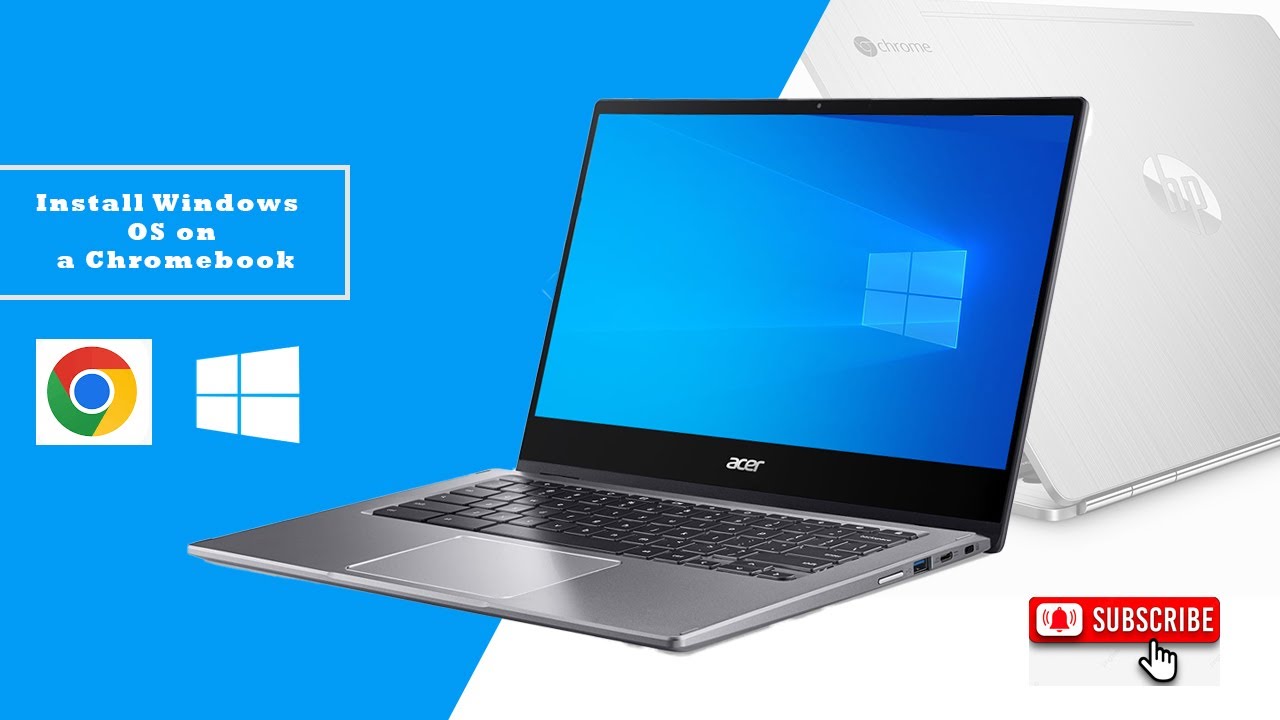
Chromebooks have carved out a significant niche in the computing world, celebrated for their lightweight ChromeOS, speedy performance, and seamless integration with web-based tasks and Android applications. Yet, for all their strengths, a common question often arises among users: can you get Windows on a Chromebook? The desire to access specific Windows-only software for work, gaming, or creative projects can be a significant hurdle for ChromeOS enthusiasts.
The good news is, the answer is a resounding yes! While Chromebooks aren't designed for traditional dual-booting with Windows, a robust and increasingly accessible solution exists: running Windows 10 through a virtual machine (VM). This method allows you to harness the power of Windows applications directly on your Chromebook, keeping ChromeOS intact and ensuring you get the best of both worlds. This comprehensive guide will walk you through the process, transforming your Chromebook into a versatile, dual-OS powerhouse capable of running virtually any Windows application you need.
Why Run Windows on a Chromebook? Bridging the OS Gap
The primary reason users look to install Windows on a Chromebook stems from software compatibility. ChromeOS excels at cloud-based productivity and web browsing, but it has limitations when it comes to native desktop applications. Many professionals, students, and hobbyists rely on specific software that simply isn't available for ChromeOS or Linux. Consider:
- Professional Software: Industries like graphic design, engineering, video editing, and accounting often require powerful, desktop-bound applications like Adobe Creative Suite, AutoCAD, QuickBooks, or specific IDEs that are exclusive to Windows.
- Legacy Applications: Some older, but still critical, programs may only run on Windows, making a virtual machine an ideal solution for compatibility.
- Gaming: While cloud gaming has grown, many traditional PC games are designed for Windows, demanding native installation for optimal performance.
- Specific Utility Tools: Certain hardware peripherals or specialized devices may come with Windows-only drivers and software, making it essential to have a Windows environment.
By bringing Windows 10 onto your Chromebook via a virtual machine, you don't just solve a software problem; you significantly expand the utility and flexibility of your device. You retain the security, speed, and simplicity of ChromeOS for your daily tasks, while gaining a dedicated environment for those essential Windows programs. This approach offers a far superior experience compared to clunky workarounds or being forced to buy a separate Windows laptop.
Essential Prerequisites: Gearing Up Your Chromebook for Windows 10
Before diving into the installation process, it's crucial to ensure your Chromebook meets the necessary specifications and is properly prepared. Not all Chromebooks are created equal, and a smoother Windows 10 experience hinges on adequate hardware.
Hardware Requirements for a Smooth Experience
- Processor: A robust processor is paramount. While some users might get by with an Intel Celeron, an Intel i3, i5, or i7 processor (or equivalent AMD Ryzen) is highly recommended. The more powerful the CPU, the better Windows 10 will perform within the virtual environment.
- RAM: Aim for at least 8GB of RAM. While 4GB might technically work, it will lead to noticeable slowdowns, especially if you plan to run demanding Windows applications. More RAM allows both ChromeOS and the Windows VM to operate without constant memory bottlenecks.
- Storage: A minimum of 64GB of internal storage is advised, with 128GB or more being ideal. Remember, Windows 10 itself requires significant space (at least 20-30GB for the OS alone), plus room for your applications and files. The virtual disk needs ample room to grow.
It’s important to note that many older or school-issued Chromebooks might lack the necessary specifications or even the crucial Linux support needed for this process. Always check your device's specifications before proceeding.
Software and Connectivity Requirements
- Linux Support: Your Chromebook must have Linux (Beta) enabled. This is the foundation upon which your virtual machine will be built.
- Windows 10 ISO Image: You'll need an official Windows 10 ISO file. This is the installation media for Windows. Microsoft provides these downloads directly from their website.
- Stable Internet Connection: Downloading the Windows ISO and various updates for both Linux and Windows can take a significant amount of time and data. A reliable, fast internet connection is essential.
- Power Source: Keep your Chromebook plugged in throughout the download and installation processes to avoid unexpected shutdowns that could corrupt files or settings.
Step-by-Step Guide: Installing Windows 10 via Virtual Machine
Now that your Chromebook is ready, let's walk through the detailed steps to get Windows 10 up and running. This process involves three main phases, each designed to be straightforward yet precise.
Phase 1: Preparing Your Chromebook's Linux Environment
- Activate Linux (Beta):
- Open your Chromebook's Settings.
- In the left-hand menu, scroll down and find the "Linux (Beta)" option.
- Click Turn On.
- Follow the on-screen prompts to set up your Linux environment.
- Allocate Disk Space: During Linux setup, you'll be prompted to choose disk space. It's generally recommended to select at least 10-20 GB, especially since you'll be hosting a Windows VM. While the initial prompt might suggest 5GB, more is better for future flexibility. This space is separate from the Windows VM's allocated disk but critical for Linux tools.
- Update Linux Packages:
- Once Linux is activated, a Terminal window will appear.
- Type
sudo apt updateand press Enter. This command refreshes your Linux package lists, ensuring you have access to the latest software. - After the update, it's often a good practice to run
sudo apt upgrade -yto install any available updates, thoughupdateis sufficient for this initial setup.
These initial steps lay the groundwork. The Linux environment will house the virtual machine software that will ultimately run Windows 10.
Phase 2: Obtaining the Windows 10 ISO File
- Download Windows 10:
- Navigate to Microsoft’s official website using your Chromebook's browser (search for "Download Windows 10 Disk Image (ISO File)").
- Select your preferred Windows 10 edition (e.g., Windows 10) and click Confirm.
- Choose your desired product language and click Confirm again.
- Finally, select the 64-bit Download option. The download size is substantial (typically 5-6 GB) and can take anywhere from 20-60 minutes depending on your internet speed. Ensure you have a stable connection.
- Move the ISO to Linux (Beta) Folder:
- Once the download is complete, open your Chromebook's Files app.
- Locate the downloaded Windows ISO file in your "Downloads" folder.
- Drag and drop this ISO file directly into the "Linux files" (or "Linux (Beta)") folder shown in the left-hand pane of your Files app. This makes the ISO accessible to the Linux environment and your virtual machine application.
Securing the official ISO ensures you're working with a legitimate and secure copy of Windows 10.
Phase 3: Setting Up the Virtual Machine
While the reference context mentions a generic "Virtual Machine application designed for Linux environments," a popular and user-friendly choice for Chromebooks is typically GNOME Boxes or Virt-Manager, which you'd install via the Linux Terminal. For simplicity, we'll follow the generic steps provided, assuming a virtual machine application is available or installed.
- Launch the Virtual Machine Application:
- Open your Chromebook's App Drawer.
- Navigate to the "Linux apps" section and launch the virtual machine application (e.g., "Boxes" or "Virtual Machine Manager"). If you don't have one, you'll need to install it via the Linux terminal using commands like
sudo apt install gnome-boxes.
- Create a New Virtual Machine:
- Within the VM application, look for an option to "Create a New Virtual Machine" or "New."
- Select the option to install from an ISO Image or "Local Media." Click Forward or Next.
- Select the Windows ISO:
- Click Browse to locate the Windows ISO file you moved to your Linux files folder. Select the file and click Forward.
- Configure Disk Size:
- You'll be prompted to set the virtual disk size for Windows 10. Allocate at least 40 GB. Windows 10 requires this space for its core installation and updates. Providing less will lead to immediate issues. Click Forward.
- Review and Start Installation:
- Review your settings, then click Finish or Create to start the Windows 10 installation process within the virtual machine.
- The VM will boot from the ISO, and you'll see the familiar Windows setup screen. Follow the standard Windows installation prompts (language, time, custom install, etc.). This installation typically takes 30-60 minutes, mirroring a standard Windows PC setup.
Congratulations! Once the Windows installation is complete, your Chromebook will be running Windows 10 as a guest operating system. You now have the power to run Windows 10 on your Chromebook using a virtual machine.
Optimizing Your Dual-OS Experience and Post-Installation Tips
Having successfully installed Windows 10, the next step is to ensure a smooth and efficient dual-OS workflow. This method is considered Virtual Machines: The Best Way to Get Windows on a Chromebook due to its flexibility and minimal impact on ChromeOS.
Seamless Switching and Performance Management
- Effortless Switching: One of the key advantages of a virtual machine is the ability to switch between ChromeOS and Windows 10 without needing to restart your device. Simply minimize the VM window to return to ChromeOS or launch it from your Linux apps to jump back into Windows.
- Resource Allocation: Your virtual machine application often allows you to adjust the amount of RAM and CPU cores allocated to Windows. If you notice sluggish performance, try increasing these resources (within your Chromebook's physical limits) from the VM settings. Be mindful that over-allocating can impact ChromeOS performance.
- Guest Additions: Many VM applications offer "guest additions" or "drivers" that improve integration between the host (ChromeOS/Linux) and guest (Windows) OS. These often enable better graphics performance, shared clipboards, and seamless mouse integration. Install these if prompted by your VM software.
Maintaining Your Windows 10 VM
- Windows Updates: Just like any Windows PC, your virtualized Windows 10 instance will require regular updates. Ensure it's connected to the internet and allow it to update periodically to maintain security and performance.
- Storage Management: Keep an eye on the disk space within your Windows VM. Install only necessary applications and regularly clean up temporary files to prevent it from growing too large and impacting your Chromebook's overall storage.
- Backups: Consider backing up your entire virtual machine image periodically, especially before major changes or updates. This provides a safety net in case something goes wrong.
This virtual machine approach is significantly more efficient than attempting traditional dual-boot configurations, which Chromebooks generally do not support. It isolates Windows 10, preventing it from interfering with ChromeOS, and allows for efficient resource management.
Conclusion
The question of "can you get Windows on a Chromebook" is no longer a barrier, but an opportunity for enhanced productivity and versatility. By leveraging the power of Linux and virtual machine technology, you can seamlessly integrate Windows 10 into your ChromeOS workflow. This detailed process, from preparing your system to configuring the virtual environment, empowers you to access a vast ecosystem of Windows applications directly from your lightweight Chromebook. Embrace the best of both worlds – the speed and simplicity of ChromeOS, combined with the comprehensive software compatibility of Windows 10 – making your Chromebook an even more indispensable tool for every aspect of your digital life.